Losing several or all of your teeth can change how comfortably you eat, speak, and smile. Dentures offer a practical way to restore missing teeth while also supporting the lips and cheeks that can be affected by tooth loss. Today's dentures can be carefully customized to look natural and feel comfortable during everyday activities.
At his Albuquerque dental practice, Dr. Steven Holbrook provides both partial and complete dentures based on your individual needs. Rather than taking a one-size-fits-all approach, he considers your mouth shape, remaining natural teeth, facial features, bite, and aesthetic goals when planning your restoration. The goal is to create a denture that not only replaces missing teeth but also complements your appearance and helps you regain comfortable oral function.

Depending on how many teeth you are missing, Dr. Holbrook may recommend a partial denture, complete denture, or an implant-supported solution. Your consultation gives you a chance to compare these options and decide which approach makes the most sense for your smile.
What Are the Benefits of Dentures?
Aesthetic dentures are custom-crafted to provide a precise comfortable fit and to enhance overall facial features.
The color of the teeth is carefully selected and the natural differences in tooth shape and size are carefully chosen based on each individual’s age, gender, and unique facial qualities. In addition, they are made to replicate the gum tissue naturally while providing the proper structure and support for lips, cheeks, and face.
Who Are the Ideal Candidates for Dentures?
- Loss of all teeth in an arch.
- Loss of several teeth in an arch.
- Enhancing smile and facial tissues.
- Improving chewing, speech, and digestion.
"There aren’t enough words to adequately thank you for your kindness and thoughtfulness. To have teeth again that are as comfortable as these, and work so well besides, is truly a miracle."
What Are the Different Types of Dentures?
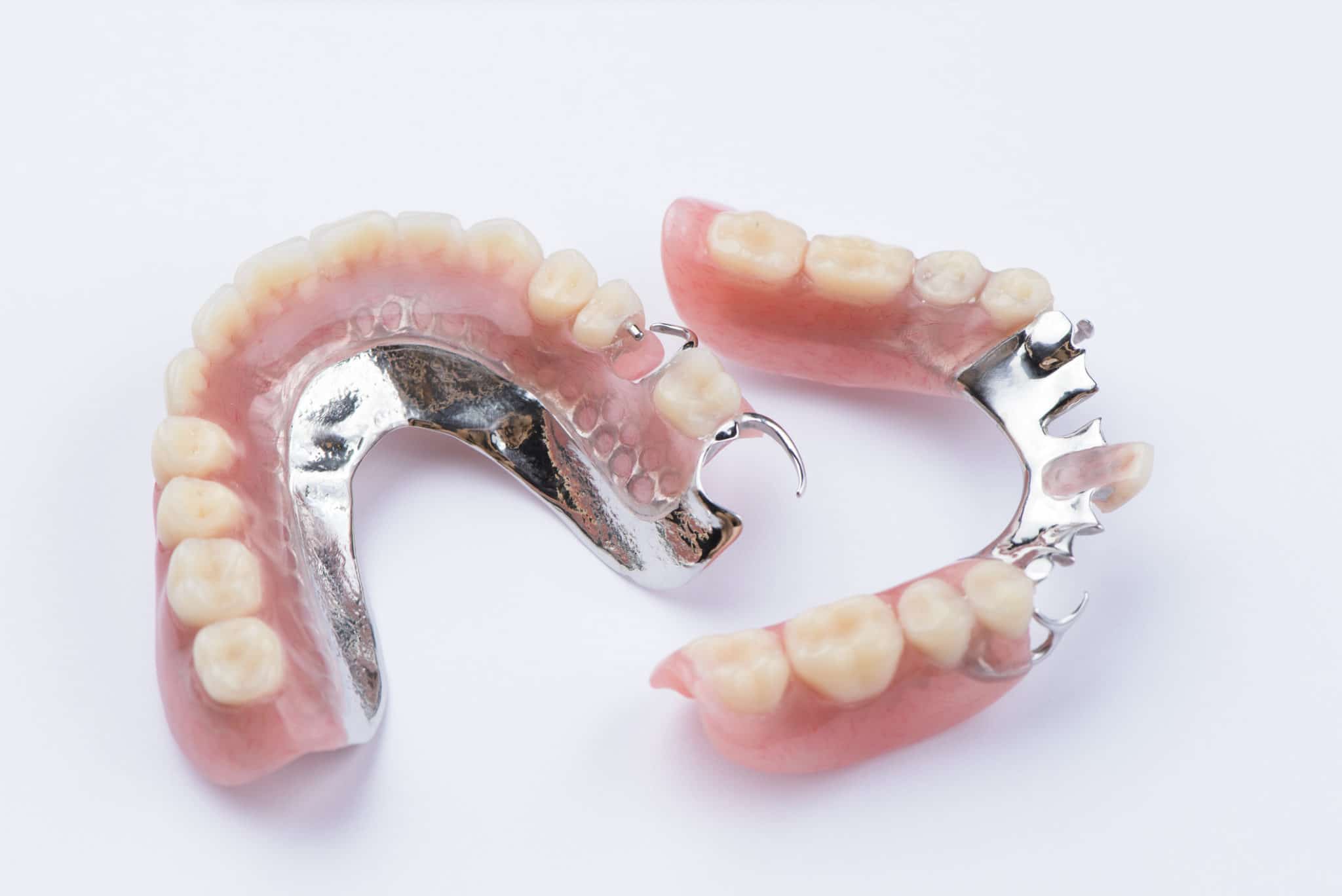
There are two types of dentures – complete and partial dentures.
Partial Dentures
Partial dentures not only fill in the space created by missing teeth, but it also prevents other teeth from shifting.
Complete Dentures
Complete dentures are used when all of the teeth are missing, while partial dentures are used when some natural teeth remain. A Complete denture may be either “conventional” or “immediate”.
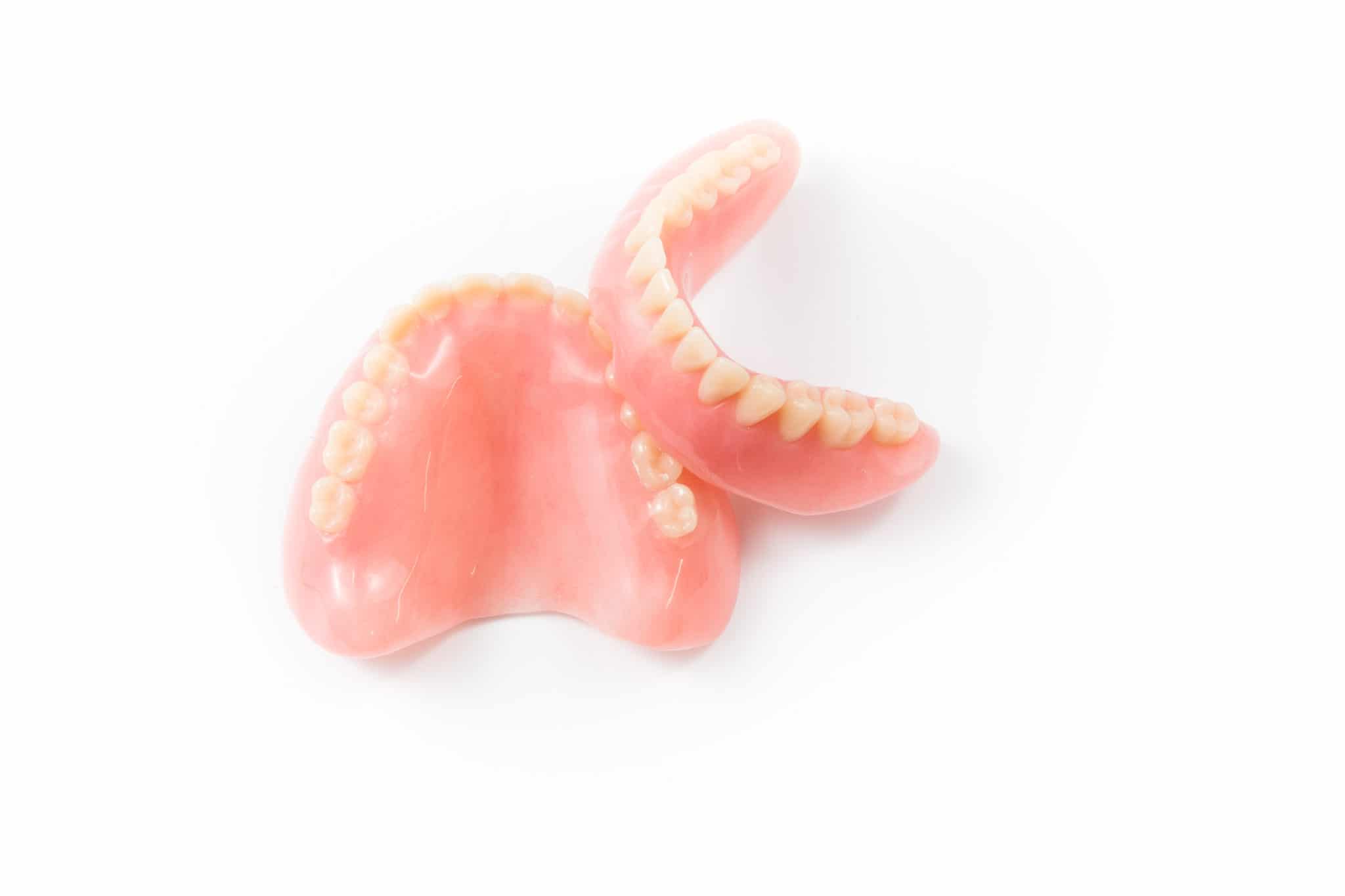
- A conventional type is made after the teeth have been removed and the gum tissue has healed, usually taking 4 to 6 weeks. During this time the patient will go without teeth.
- Immediate dentures are made in advance and immediately placed after the teeth are removed, thus preventing the patient from having to be without teeth during the healing process. Once the tissues shrink and heal, adjustments will have to be made.
Dentures are very durable appliances and will last many years, but may have to be remade, repaired, or readjusted due to normal wear. Dr. Holbrook will discuss these options with you and provide a recommended course of treatment.
What Does the Denture Process Entail?
Creating dentures that look natural and fit comfortably takes careful planning. Instead of receiving a finished appliance after a single visit, you'll typically attend a series of appointments that allow Dr. Holbrook to refine the fit, appearance, and function of your new teeth.
Treatment begins with detailed impressions and measurements of your mouth. We use this information to design dentures specifically for your anatomy rather than relying on a standardized shape or fit. You'll then have one or more fitting appointments where we evaluate important details such as tooth position, bite, shape, and shade before completing the final denture.
Once your dentures are ready, Dr. Holbrook will check how they sit against your gums and how your upper and lower teeth come together. Small adjustments can improve comfort and function.
There is also an adjustment period after you begin wearing new dentures. Your mouth, tongue, and facial muscles need time to adapt, so temporary changes in speech, chewing, or saliva production can occur. Follow-up appointments allow Dr. Holbrook to address irritation or fit changes as your mouth adjusts.
Especially with complete dentures, achieving the right fit is a process, not a single appointment. Taking the time to make appropriate adjustments can help your dentures feel more natural and provide better stability for everyday speaking, eating, and smiling.
What Our Patients Have to Say
"Much thanks for all your excellent dental work, as well as your comforting chair side manner. Thanks also to your excellent staff."
"If there is any single thing for which I am most thankful this year, it is the warmth and receptivity and care of you and your staff."
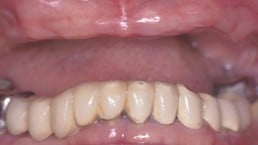
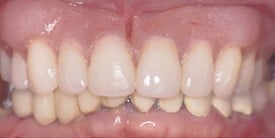
Dentures Before & After Photos
What Are the Complications of Dentures?
There are two main risks with wearing dentures: one is due to poor upkeep from the wearer, the other is due to the dentures themselves.
Your dentures and your mouth need to be kept clean. Your mouth is full of bacteria, and after wearing them for a full day, so is the surface of your dentures. If you don’t adequately clean your dentures, you can cause inflammation of your gums. One kind of bacteria will do that. Another kind of bacteria from your dentures can lead to respiratory infections.
The other risk with dentures is inherent in the process. Natural teeth and the act of chewing create a tremendous amount of bite force energy. This energy transfers down through the teeth into the jawbone beneath. It is this energy that signals our jawbone to shed old cells and create new bone cells. This is the key to keeping the jawbone healthy and strong.
When you are missing a bunch or all of your teeth, your jawbone no longer receives that energy, and it begins to deteriorate. That’s why people who are missing all of their teeth and are not wearing dentures can appear as if their bottom jaw is collapsing backward.
Dentures don’t stop this progression, although they keep your facial structure intact. That’s why dentures need to be refit periodically, because of your loss of jawbone mass.
That’s why Dr. Holbrook is a big fan of implant-supported dentures. The strategic placement of dental implants anchors the dentures and allow energy to move downward into the jawbone.
What Do Dentures Feel Like?
New dentures, especially if this is your first set, will definitely take some getting used to. Your gums will need to get used to having dentures on them. Your tongue and tongue muscles will need to learn how to keep your dentures in place. Talking, chewing, and swallowing will feel awkward at first. This is temporary — it’s just the process of getting comfortable wearing your dentures. Well-fitting dentures should have natural suction to hold them firmly in place.

Your dentures should not feel uncomfortable. There should not be any pain, tightness, or tenderness. These are signs that the fit is off and you need to have the fit adjusted.
Will I Have Trouble Eating With Dentures?
Speaking and eating will be an awkward experience at first. The best trick for learning how to speak with a full set of dentures is to simply read aloud. As for eating, you’ll start with very small pieces of soft foods; eating will seem awkward and you’ll lack confidence in your dentures. But you’ll get the hang of eating with them and can soon progress to a normal diet. You’ll love that you can once again eat just about anything!
What Foods Should I Avoid with Dentures?
This is up to you, but certain foods don’t go well with dentures.
- Popcorn — Popcorn hulls can get stuck beneath your dentures and can be extremely painful.
- Sticky candy — Caramels, taffy, peanut brittle, and other sticky candies will likely dislodge your dentures.
- Nuts — Nuts are important for the diet, but pieces can get under your dentures. Plus, you need to chew evenly on both sides with dentures, and people eating a couple of nuts at once usually chew on only one side.
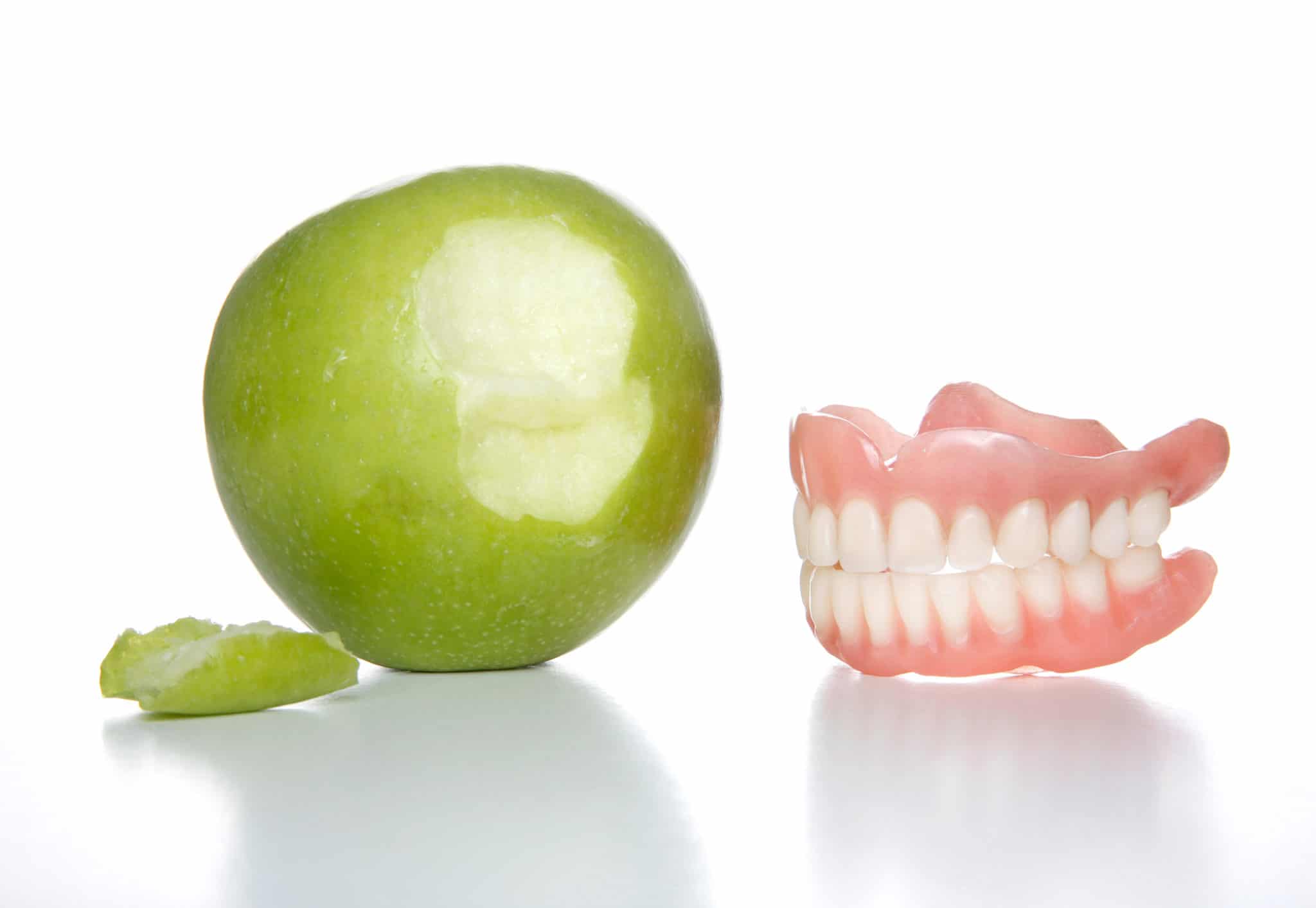
- Seeded bread or crackers — The seeds can get stuck under your dentures, and it’s like having a stone in your shoe.
- Steak — Chewing a big bite of steak can dislodge your dentures. Cut your steak into small pieces.
- Raw fruits and vegetables — Everyone needs lots of fruits and vegetables, but the raw variety of some, such as apples, carrots, and cooked corn-on-the-cob can be problems. Smoothies can deliver the fruits; cooking can deliver the vegetables. Cutting the corn off the cob solves that one.
- Peanut butter — This will stick to all surfaces. That’s one thing with natural teeth, but another with dentures.
How to Clean & Maintain Your Dentures
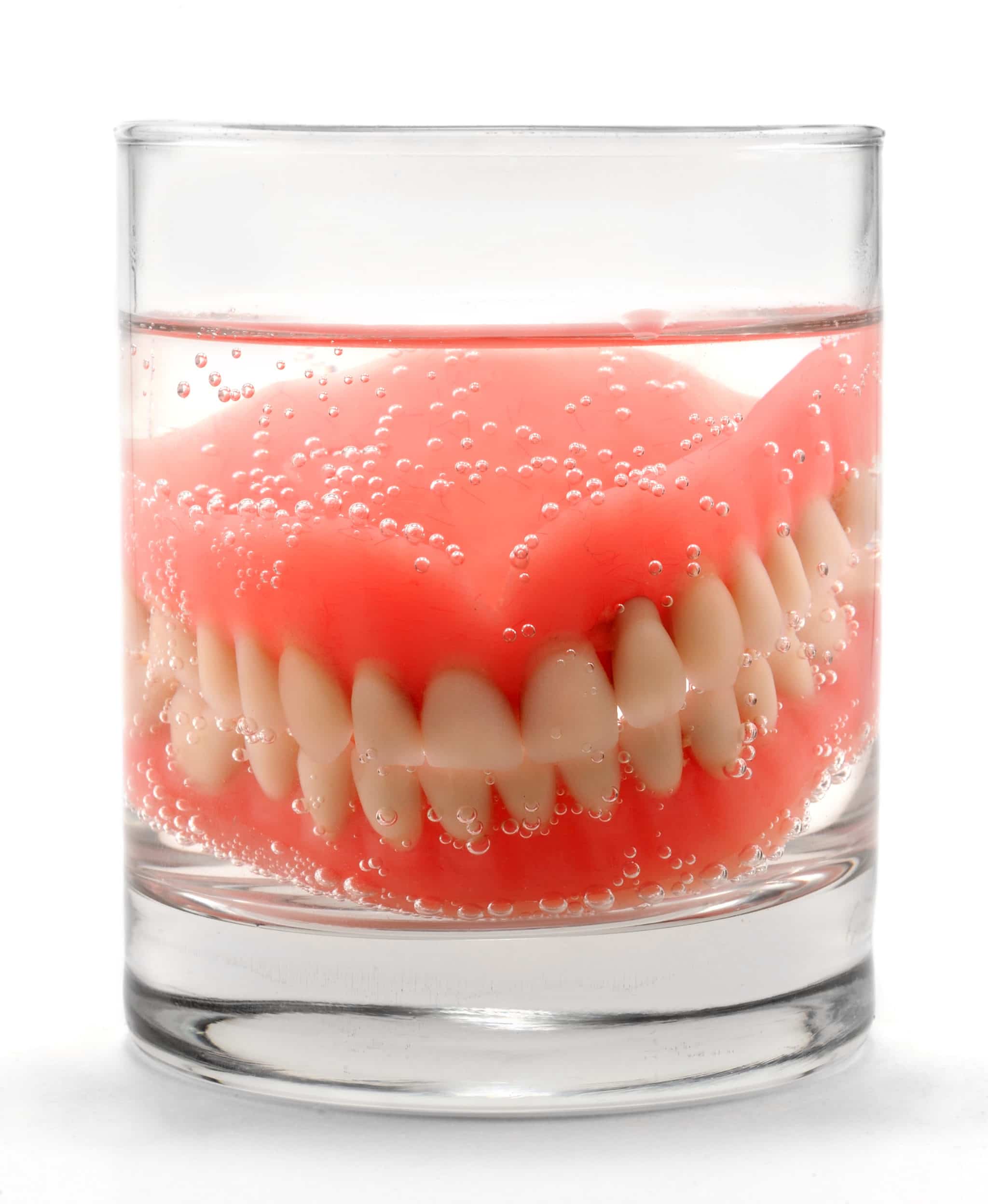
Full dentures are not meant to be worn 24 hours a day. They need to be taken out at night to allow your gum tissues to rest, and for normal stimulation by your tongue and cleansing by your saliva.
You brush your dentures with special denture toothpaste. This is because normal toothpaste contains various abrasive substances that can create minute scratches that allow food and plaque to build upon the dentures. Brushing removes food and plaque. After brushing, your dentures will then spend the night in a denture cleaning solution or in water so that they stay moist.
How Dentures Support Your Facial Appearance
Teeth do more than help you chew—they also provide important support for your lips, cheeks, and overall facial proportions. When multiple teeth are missing, that support can decrease and subtly change the appearance of the lower face. Well-designed dentures restore this missing structure while recreating the natural size, shape, and position of your teeth.
Dr. Holbrook considers your facial features, bite, and smile when designing your dentures so the finished restoration looks balanced, not artificial. Careful customization can help restore both your smile and the facial support that may have been lost along with your natural teeth.
Schedule A Denture Consultation
If you are interested in dentures and would like to see if you are a good candidate, call 505-881-1159 to schedule a consultation at our office in Albuquerque, NM.